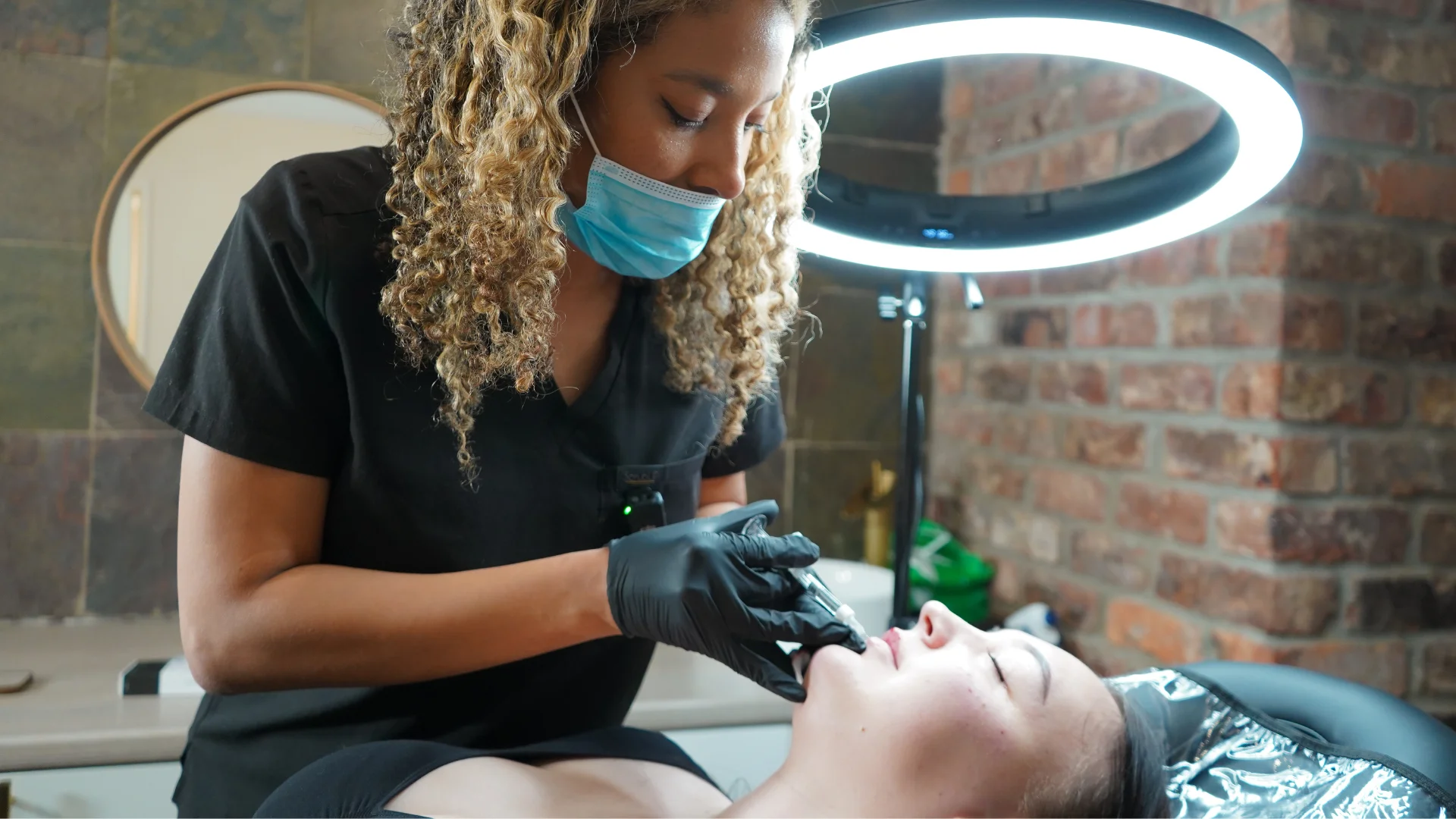
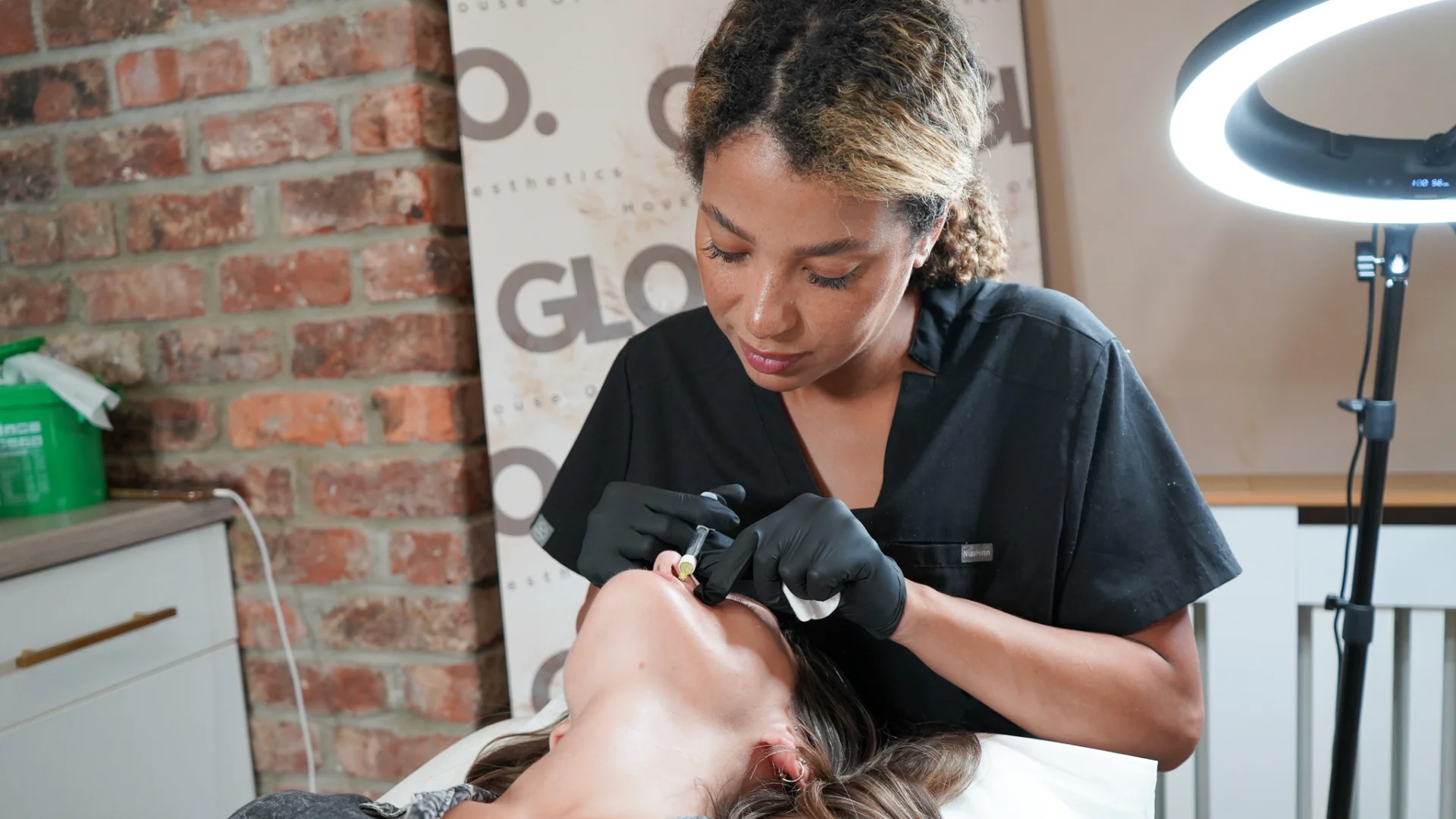
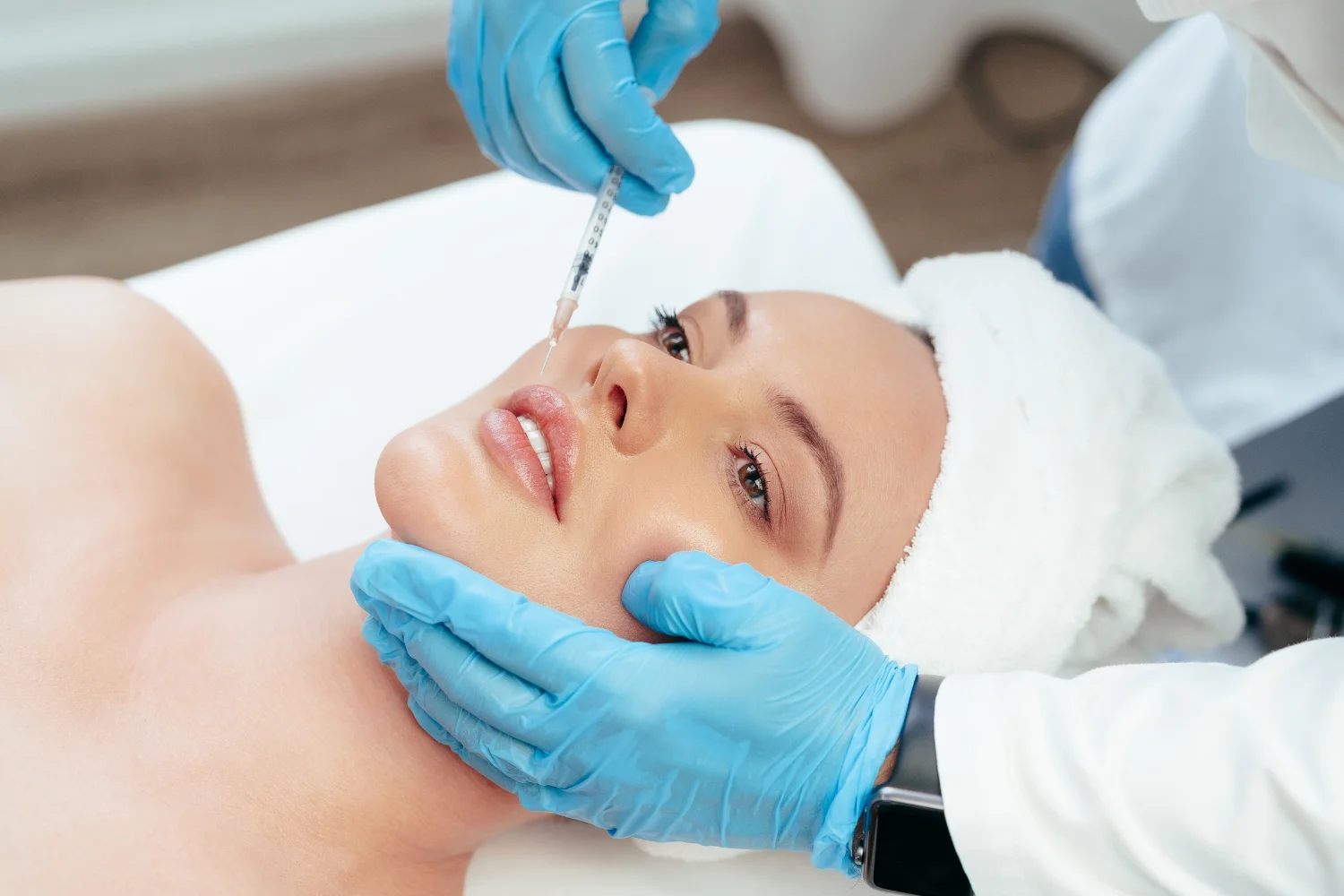
The terms beauty treatment and medical aesthetic treatment are often used interchangeably, yet they represent two very different approaches to care. That distinction matters. When treatments move beyond surface-level skincare and begin to influence muscle activity or facial structure, the setting and expertise behind them become significantly more important.
In Newquay, you will find both beauty salons and aesthetic clinics offering a wide range of services. Each environment serves a purpose. The key is understanding which one aligns with your goals and what level of clinical oversight your chosen treatment requires.
In most cases, beauty treatments centre around maintenance, relaxation and visible skin enhancement. They are designed to improve appearance without altering underlying anatomical structures.
Examples often include:
Most of these services work on the outer layers of the skin, supporting glow, texture and overall upkeep without influencing deeper structures. Training requirements vary by service, and many beauty professionals are highly skilled in their field of practice. These treatments play an important role in helping you maintain healthy-looking skin and feel confident in your appearance.
Beauty settings are typically centred around comfort, routine care and cosmetic enhancement. For many people, this level of treatment is not only appropriate but ideal when the goal is upkeep rather than structural change.
Medical aesthetic treatments operate at a deeper level. Rather than focusing purely on surface appearance, they interact with underlying skin layers or facial structures and require clinical understanding to perform safely.
A medical aesthetic treatment is a procedure that affects deeper skin layers or facial structures and requires clinical training to deliver safely and responsibly.
These treatments can include:
Alongside the procedure itself, there is a structured consultation process, assessment of your medical history, and personalised planning. The objective extends beyond appearance alone; it includes protecting your health while achieving balanced, considered results.
Within a professional aesthetic clinic in Newquay, these treatments are delivered inside a framework built around clinical standards, informed consent and accountability.
One of the most significant differences between beauty treatments and medical aesthetics lies in the training of practitioners.
Beauty professionals often complete accredited courses specific to their treatment area. Their expertise may be highly developed within that scope, particularly in skin care and cosmetic services.
Medical aesthetic practitioners require knowledge that extends beyond technique alone. Safe practice means understanding facial anatomy in depth, recognising vascular danger zones, maintaining sterile environments and following structured medical consultation protocols. It also involves the ability to identify and manage adverse reactions calmly and competently.
Complication management training is particularly important for injectable treatments. Even when procedures are straightforward, practitioners must be prepared to respond confidently if something unexpected occurs. This layer of preparedness reflects the greater responsibility associated with treatments that influence muscle movement or volume.
At GLO, we place significant emphasis on clinical standards and patient safety. We begin every treatment with assessment, discussion and transparency. That framework reflects the responsibilities of medical aesthetic care and ensures that your treatment plan is both appropriate and well considered.
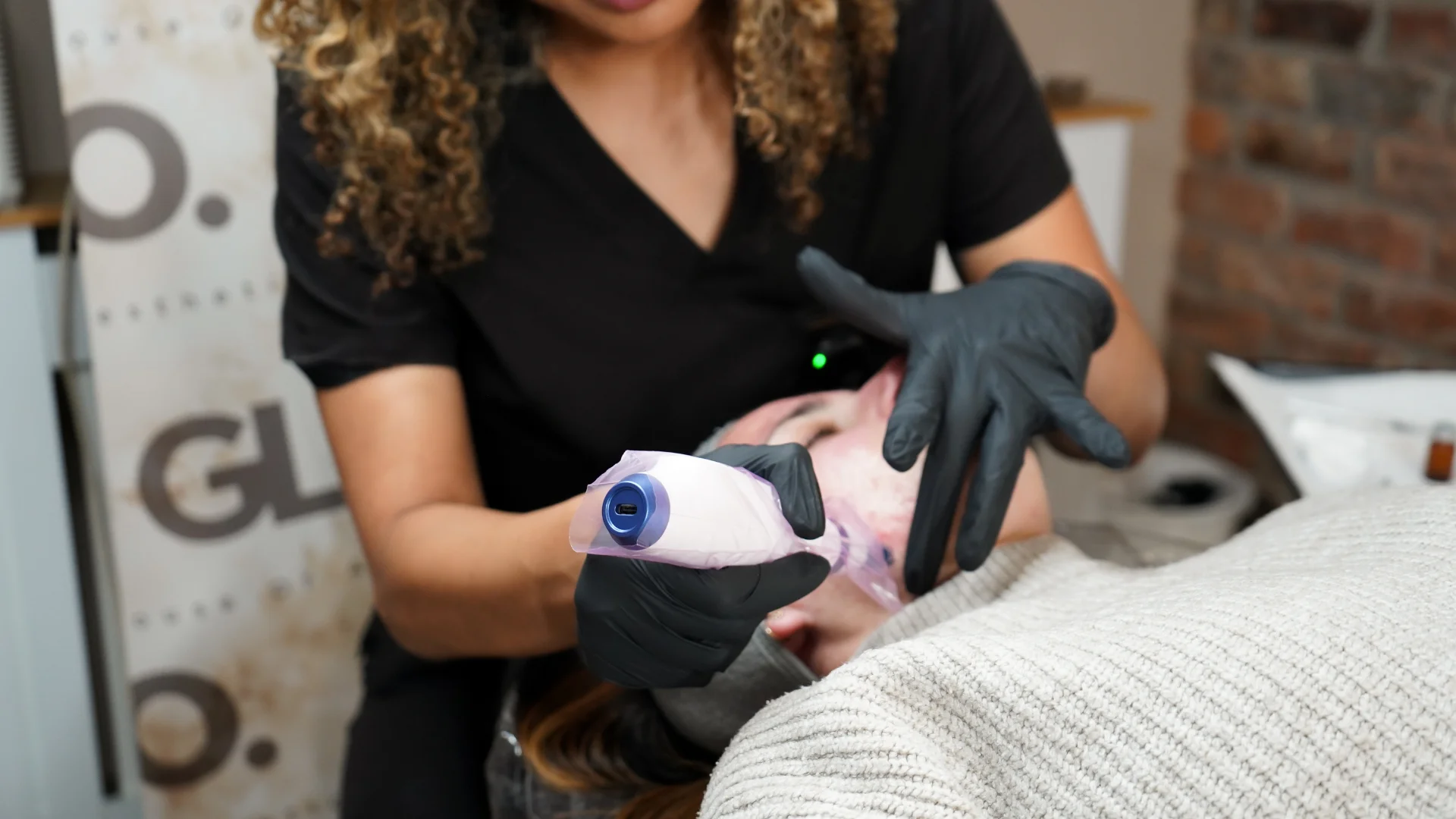
One of the clearest distinctions between the two settings becomes apparent during consultation. In a beauty environment, this may involve a brief conversation about preferences or skin type. In a medical aesthetic clinic, the discussion is broader, more detailed and clinically structured.
A thorough consultation includes a detailed review of your medical history, a discussion about any previous treatments and a close assessment of your skin quality and facial structure. You should receive clear explanations of potential risks and realistic outcomes, along with the opportunity to ask questions without pressure. You should never feel rushed into a decision.
This process ensures that any proposed treatment is suitable for you as an individual. It creates space for tailored planning instead of standardised solutions, which becomes especially important when procedures influence muscle activity or facial volume.
For example, before undergoing anti-wrinkle injections in Newquay, we assess muscle movement patterns and facial balance. Before performing dermal fillers, we evaluate structure, symmetry and long-term aesthetic goals. These steps are protective as much as they are aesthetic, helping to deliver natural-looking outcomes while prioritising safety.
A structured consultation is not an administrative formality. It is an essential part of responsible medical aesthetic care.
Another helpful way to understand the difference is to consider what each category is designed to influence and how deeply it interacts with your skin and facial structure.
Beauty treatments typically focus on the outer layers of the skin. Their aim is to improve texture, hydration and overall appearance without altering underlying anatomy. A facial may enhance glow and smoothness, while a resurfacing treatment can refine texture and clarity. These results are often temporary and designed for maintenance rather than transformation.
Surface enhancement works well when your goal is refreshment, relaxation or visible improvement at skin level. It supports how your skin looks and feels without changing structure.
Procedures in medical aesthetics may influence muscle activity, redistribute volume, or stimulate collagen production beneath the skin's surface. An injectable might soften lines by adjusting movement, while fillers restore contour and proportion. Regenerative treatments work biologically, encouraging the skin to respond over time.
Because these interventions affect movement, depth or structure, precision is critical. Clinical responsibility sits at the centre of every decision. Recognising this distinction allows you to approach treatment choices with greater clarity and confidence.
With greater clinical depth comes greater regulatory responsibility. Practitioners are required to follow strict standards regarding consent, documentation, hygiene, and ongoing record-keeping.
You should feel confident asking about qualifications, experience with specific procedures, insurance cover and safety protocols. Aftercare support is equally important, as professional medical aesthetics does not end when you leave the clinic. Ongoing guidance ensures that healing progresses as expected and that you feel supported throughout the process.
Transparency is a hallmark of professional medical aesthetics. You deserve clarity around who is treating you and what safeguards are in place.
In Newquay, the growth of aesthetic services has increased choice. Greater choice also requires greater awareness. Understanding what differentiates a medical aesthetic clinic from a beauty salon helps you make decisions based on knowledge rather than convenience alone.
When you understand the difference between these two categories, you place yourself in a stronger position to choose care that reflects both your goals and your safety.
At GLO, we approach every treatment with a clinical mindset and a personalised consultation process. Our aim is for every aesthetic decision to feel informed, measured and aligned with your long-term skin health.
If you would like to explore the full range of treatments we offer in Newquay, visit our treatments page to see how we approach medical aesthetics with care, precision and transparency.