Botox is one of the most searched-for and talked-about aesthetic treatments, yet it is also among the most misunderstood. Many people recognise the name but feel unsure about what Botox actually is, how it works beneath the skin, and what it can realistically achieve. Misinformation, social media myths, and outdated stereotypes often cloud the facts.
This guide explains what Botox is, how it works on facial muscles, and why understanding the science behind it is essential before considering treatment. The aim is clarity, not persuasion, so you can make informed decisions with confidence.
Botox is a prescription-only medicine used in both medical and aesthetic settings. In aesthetics, it is primarily used to soften the appearance of lines caused by repeated facial movement, such as frowning or squinting. Understanding exactly what Botox is helps separate clinical reality from the assumptions often created by headlines and social media.
Botox is derived from botulinum toxin type A.
Although the word “toxin” can sound concerning, the substance used in medical and aesthetic treatments is highly purified and administered in extremely small, controlled doses. It has been used safely in medical settings for decades, long before its popularity in cosmetic treatments.
In facial aesthetics, Botox is used to temporarily relax specific muscles that cause expression lines. These lines form over time as the skin repeatedly folds with movement. Botox does not fill the skin or change facial structure. Instead, it works at the muscle level, which is why it is often described as a preventative and corrective treatment rather than a volumising one.
To understand how Botox works, it helps to understand why wrinkles form in the first place. Facial ageing is closely linked to muscle movement, which is why Botox targets muscle activity rather than the skin's surface.
Every time you frown, smile, or raise your eyebrows, your facial muscles contract. Over years of repeated movement, the skin above those muscles begins to crease. Initially, these lines appear only when the face moves, but over time, they can become visible at rest.
These are known as dynamic lines, and they are the primary concern Botox is designed to address.
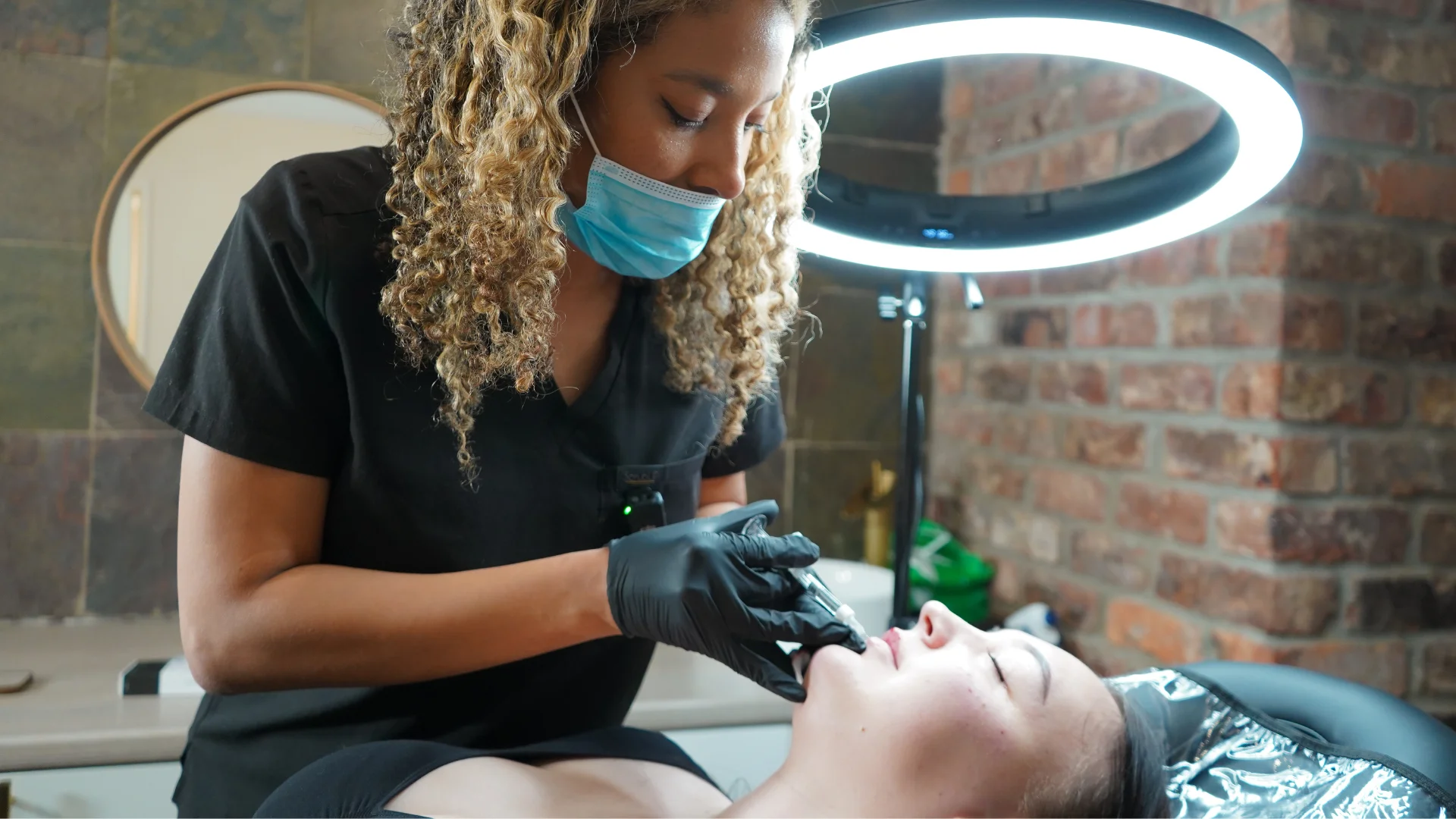
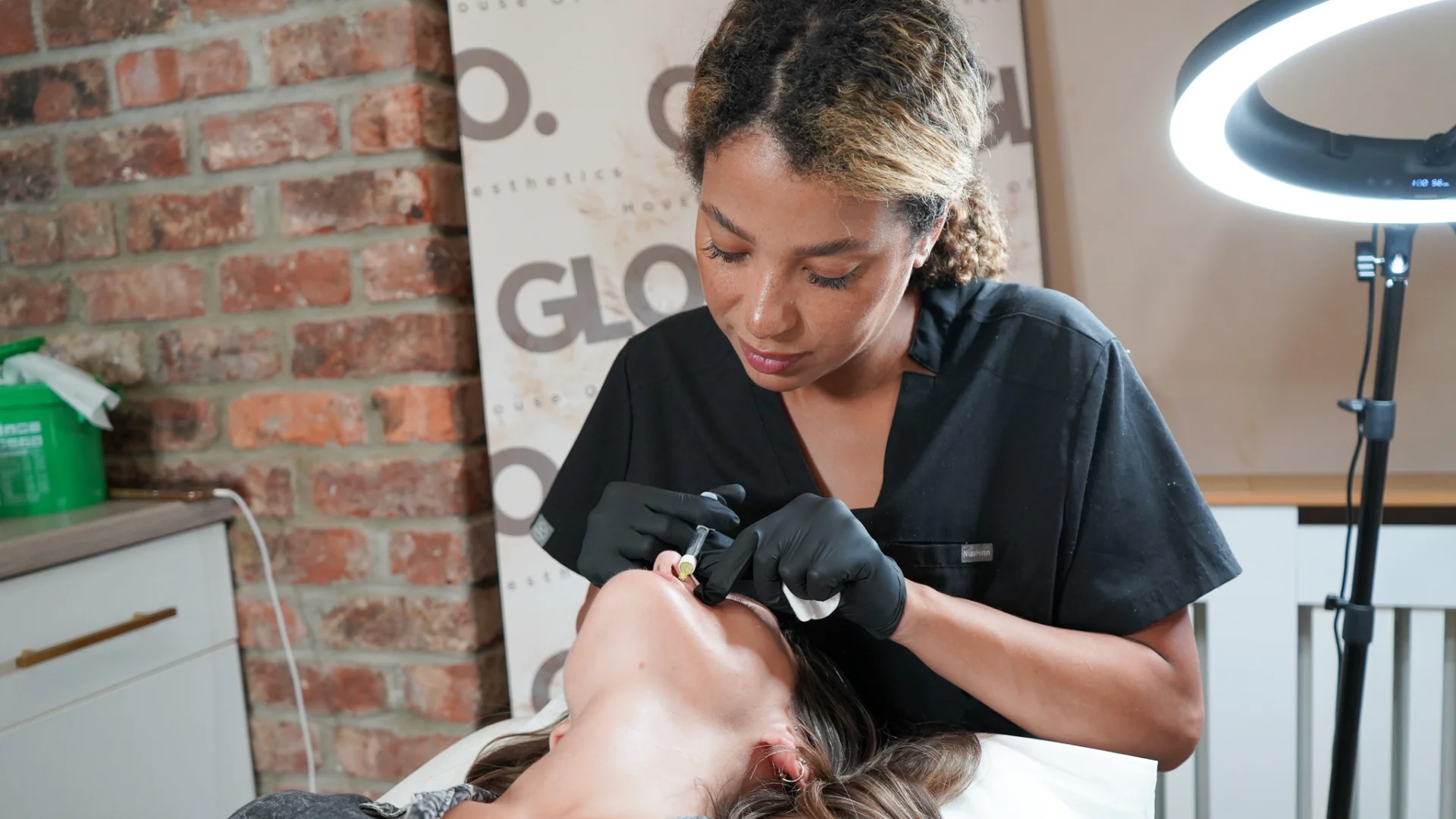
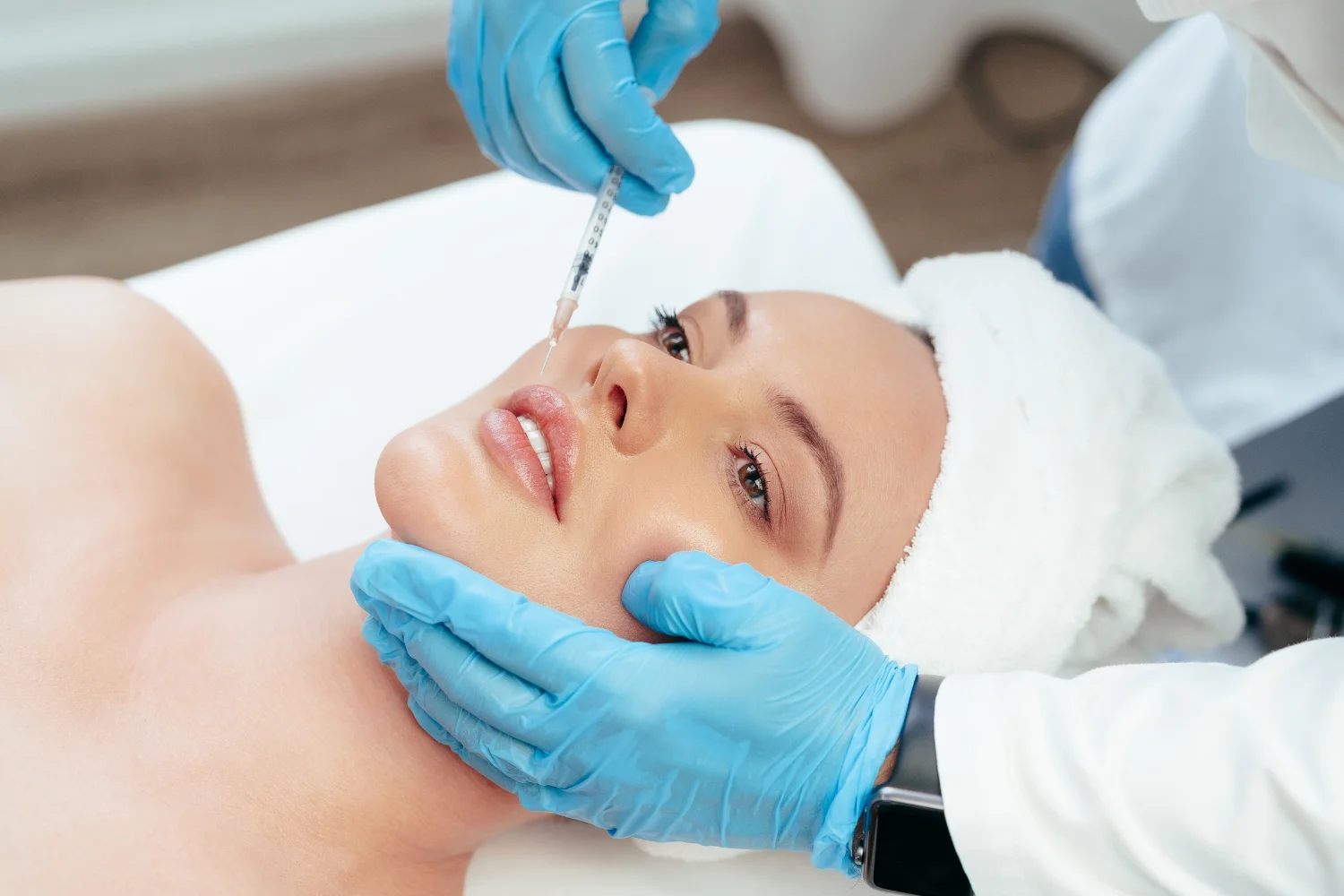
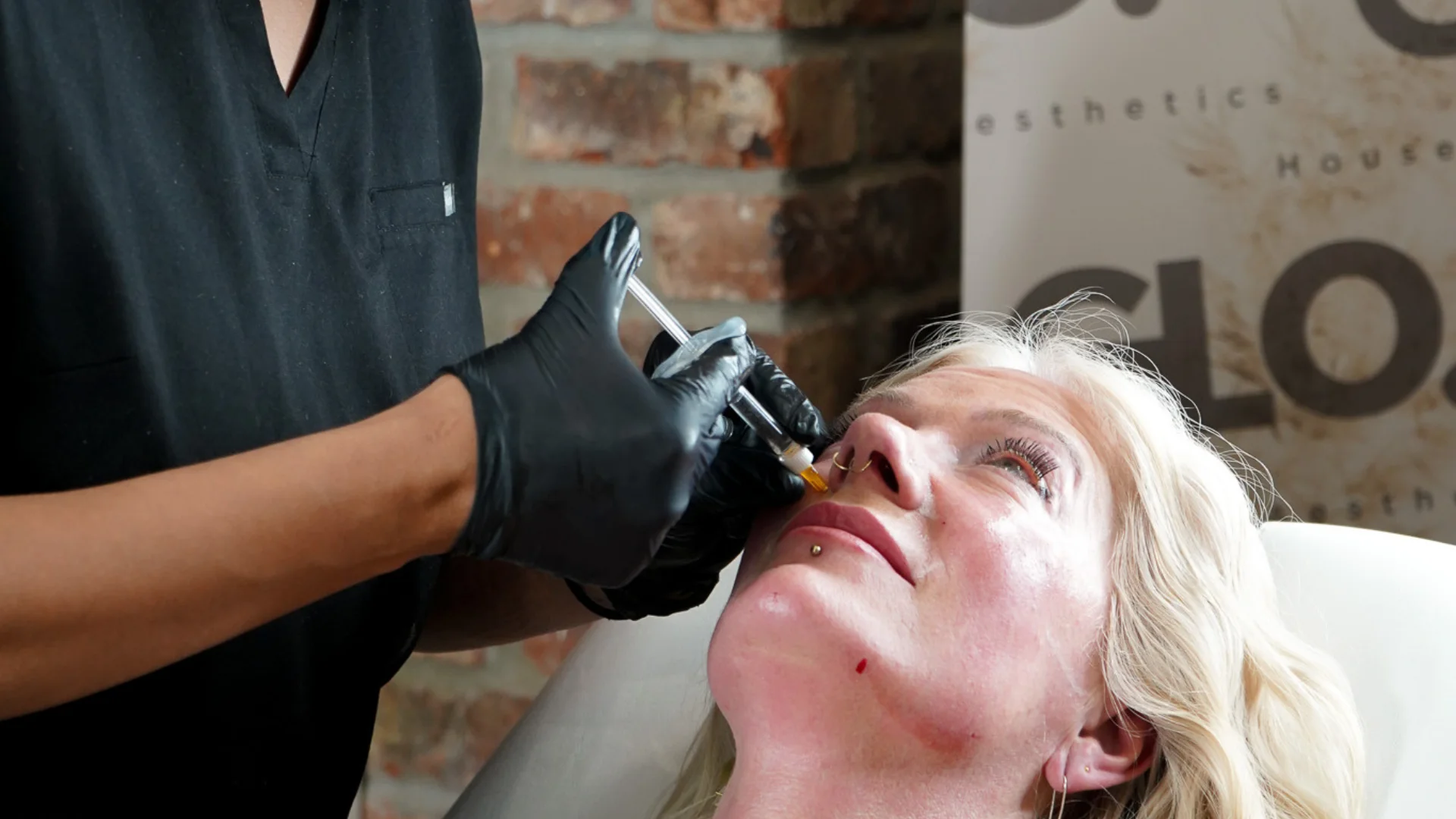
Botox works by temporarily blocking the nerve signals that tell a muscle to contract. When injected into targeted muscles, it reduces their ability to tighten fully. As a result, the overlying skin is placed under less tension, allowing existing lines to soften and helping prevent deeper lines from forming.
Importantly, Botox does not freeze the face when used correctly. It limits excessive movement while preserving natural expression.
Clear expectations are essential when considering Botox, as it is not a solution for every skin concern. Knowing its capabilities and limitations allows for better decision-making and more natural-looking outcomes.
Botox is designed to soften expression lines caused by muscle movement. It can create a more rested appearance and help slow the progression of dynamic wrinkles over time. Many people also choose Botox as a preventative treatment to reduce the formation of deeper lines later on.
Botox does not add volume, improve skin texture, or address laxity. It cannot replace treatments such as dermal fillers, skin boosters, or resurfacing procedures. Understanding this distinction is key, and it is why Botox is often discussed alongside anti-wrinkle injections as part of a broader aesthetic approach.
Botox can be used in several areas of the face and beyond, although facial treatments are the most well-known. The areas treated are carefully chosen based on muscle strength, movement patterns, and individual facial anatomy.
The most common aesthetic treatment areas include the forehead, the frown lines between the eyebrows, and the lines that form around the outer corners of the eyes. These areas are particularly responsive to Botox because they are driven by repetitive muscle movement.
Beyond aesthetics, Botox is used medically to treat conditions such as chronic migraines, excessive sweating, and muscle spasticity. These applications reinforce its long-standing role as a medical treatment rather than a purely cosmetic one.
Botox does not produce instant results, and understanding the timeline helps avoid unnecessary concern. Results develop gradually, which is a normal and expected part of how the treatment works within the muscles.
Initial changes are usually noticeable within a few days, with full results developing over one to two weeks. This gradual onset is normal and reflects how the muscle response changes over time.
Results typically last around three to four months, although this varies from person to person. Factors such as metabolism, muscle strength, lifestyle, and dosage all influence how long the effects remain visible.
Safety is one of the most common concerns surrounding Botox, and rightly so. A clear understanding of regulation, training, and clinical standards is essential when considering any injectable treatment.
In the UK, Botox is a prescription-only medicine. This means it must be prescribed following a face-to-face consultation and administered by a suitably trained medical professional. This regulation exists to protect patient safety and ensure appropriate use.
The safety and quality of Botox treatment depend heavily on the practitioner's knowledge. Facial anatomy, muscle balance, and correct dosing all play a role in achieving natural-looking results while minimising risk.
Many people wonder if Botox and anti-wrinkle injections are different treatments. The terminology can be confusing, particularly for those new to aesthetic treatments.
Botox is a brand name, while anti-wrinkle injections refer to the treatment category that includes Botox and similar products. Clinics often use the broader term to remain brand-neutral while still offering the same type of treatment.
The terminology matters far less than the consultation, assessment, and practitioner expertise behind the treatment. Understanding this distinction can help you focus on the quality of care rather than names alone.
Botox is a personal choice, and suitability varies between individuals. Personal factors such as facial movement, skin condition, and long-term goals all influence whether Botox is appropriate.
Read out guide: Is botox right for you? Guide to Suitability to better understand if it's the right choice for you.
Botox may be suitable for those concerned about expression lines caused by muscle movement, or for those interested in preventive treatments. A professional assessment is always required to determine appropriateness.
Every face moves differently. At GLO, consultations are designed to fully assess facial movement, muscle strength, and skin concerns before any treatment is considered. This allows recommendations to be tailored to your facial anatomy, goals, and expectations, ensuring a considered approach rather than a one-size-fits-all solution.
Botox is neither a quick fix nor a universal solution, but when understood properly, it can be an effective and well-established treatment. Knowing how Botox works, what it can achieve, and where its limitations lie allows you to approach treatment with realistic expectations and confidence. Education is always the first step toward safe, informed aesthetic
decisions.
To explore the full range of options, visit our treatments page for an overview of the aesthetic services offered at GLO.