Understanding what Botox is and how it works is an important first step, but it does not automatically mean it is the right choice for everyone. Botox is a personal decision influenced by facial movement, individual concerns, and long-term goals rather than age or trends.
Unlike our previous post on what Botox is, this guide is designed to help you reflect on whether Botox may be suitable for you, what signs to look for, and why a professional consultation is vital for achieving natural, balanced results.
One of the most common misconceptions about Botox is that it is linked to a specific age. In reality, Botox suitability is far more closely connected to how your facial muscles move and how your skin responds to that movement over time.
Facial lines develop at different rates for different people. Genetics play a role, but lifestyle factors such as sun exposure, stress, and habitual facial expressions also contribute. Some individuals naturally have stronger facial muscles, which can lead to more pronounced expression lines at an earlier age.
Botox is most effective for dynamic lines. These are lines that appear when the face moves, such as frowning or raising the eyebrows. Static lines, which are visible even when the face is at rest, may require alternative or additional treatments depending on their depth and cause.
There are no universal rules for Botox, but certain patterns and concerns may indicate it could be a suitable option. These are indicators rather than guarantees, and professional assessment is always essential.
If you notice that frown lines or forehead creases linger even when your face is relaxed, this can suggest repeated muscle activity over time. Botox may help soften these lines by reducing the muscle movement that causes them.
Some people consider Botox when they begin to notice early signs of expression lines and want to slow their progression. In these cases, Botox is often approached as a preventative treatment rather than a corrective one.
Botox is often chosen by those who feel their face looks tired or tense, even when they feel well. Subtle treatment can help create a more relaxed appearance without changing facial character or expression.
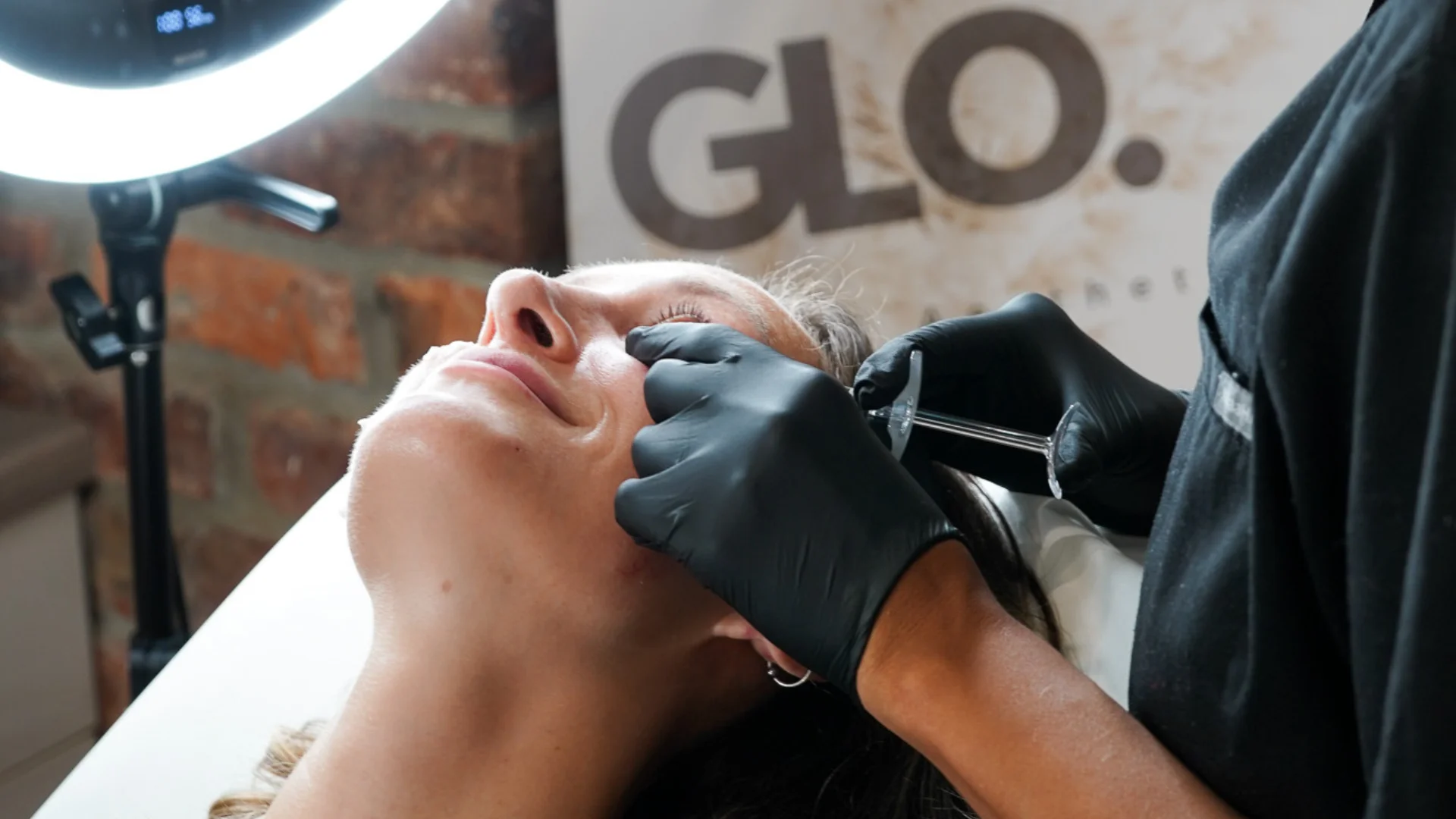
Botox is not a solution for every concern, and understanding its limitations is just as important as knowing its benefits.
If your primary concerns are skin quality, volume loss, or skin laxity, Botox alone may not address the underlying issue. Other aesthetic treatments may be more appropriate, either on their own or in combination.
Botox works best when guided by anatomy and individual goals rather than social media trends. Expecting dramatic changes or using Botox to replicate someone else’s results often leads to disappointment. Professional guidance helps set realistic expectations from the outset.
Preventative Botox is a term that often causes confusion, as it does not mean stopping the ageing process or starting treatment prematurely. Instead, it refers to using Botox to gently reduce repetitive muscle movement before expression lines become deeply set.
By softening excessive movement in specific areas, preventative Botox can help limit the formation of deeper expression lines over time. Suitability is based on facial movement patterns rather than age, as some individuals naturally have more expressive or stronger facial muscles, while others may not benefit from this approach at all.
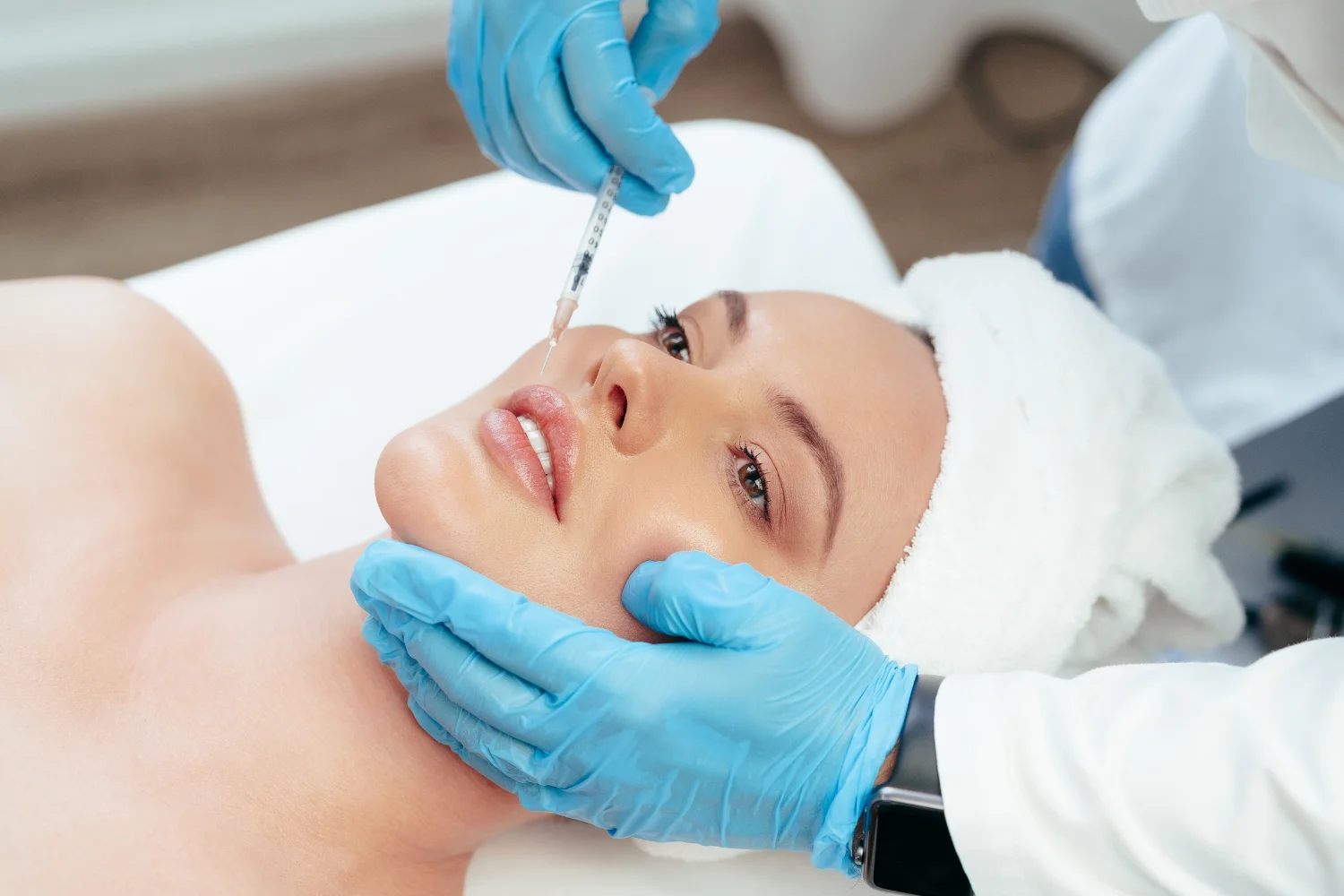
A thorough consultation is the most important part of any Botox treatment. It ensures safety, suitability, and results that look balanced and natural rather than overdone.
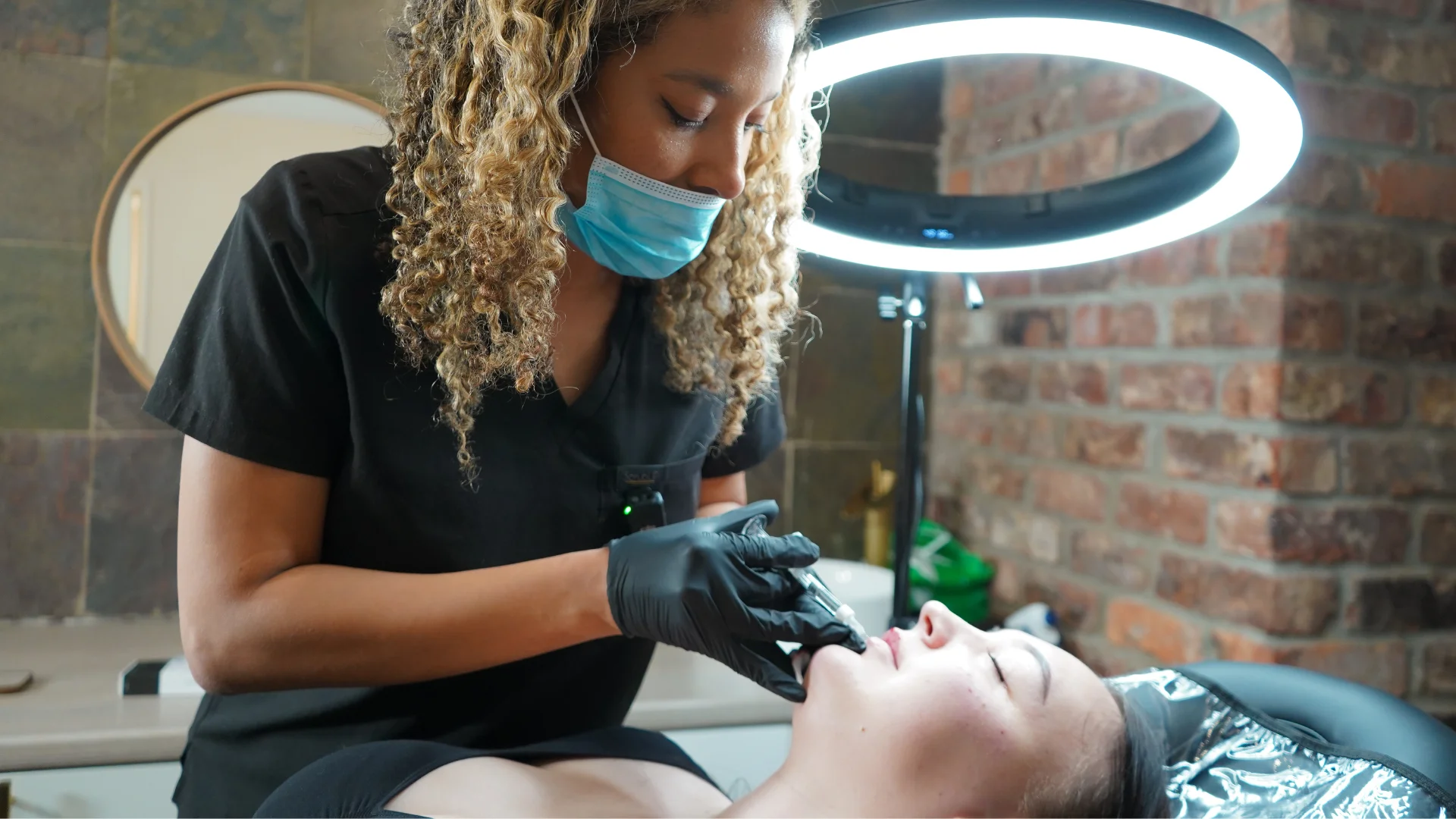
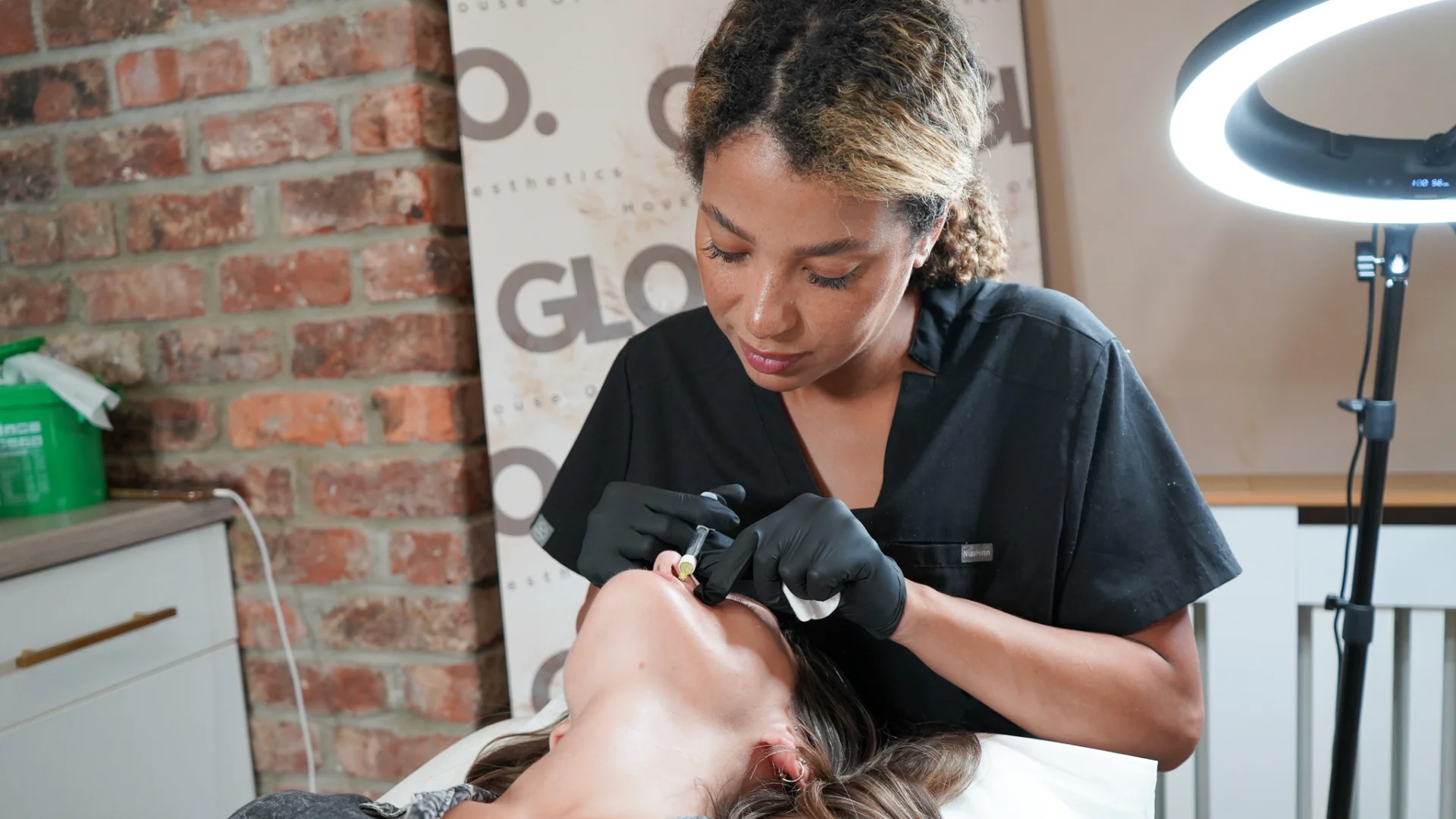
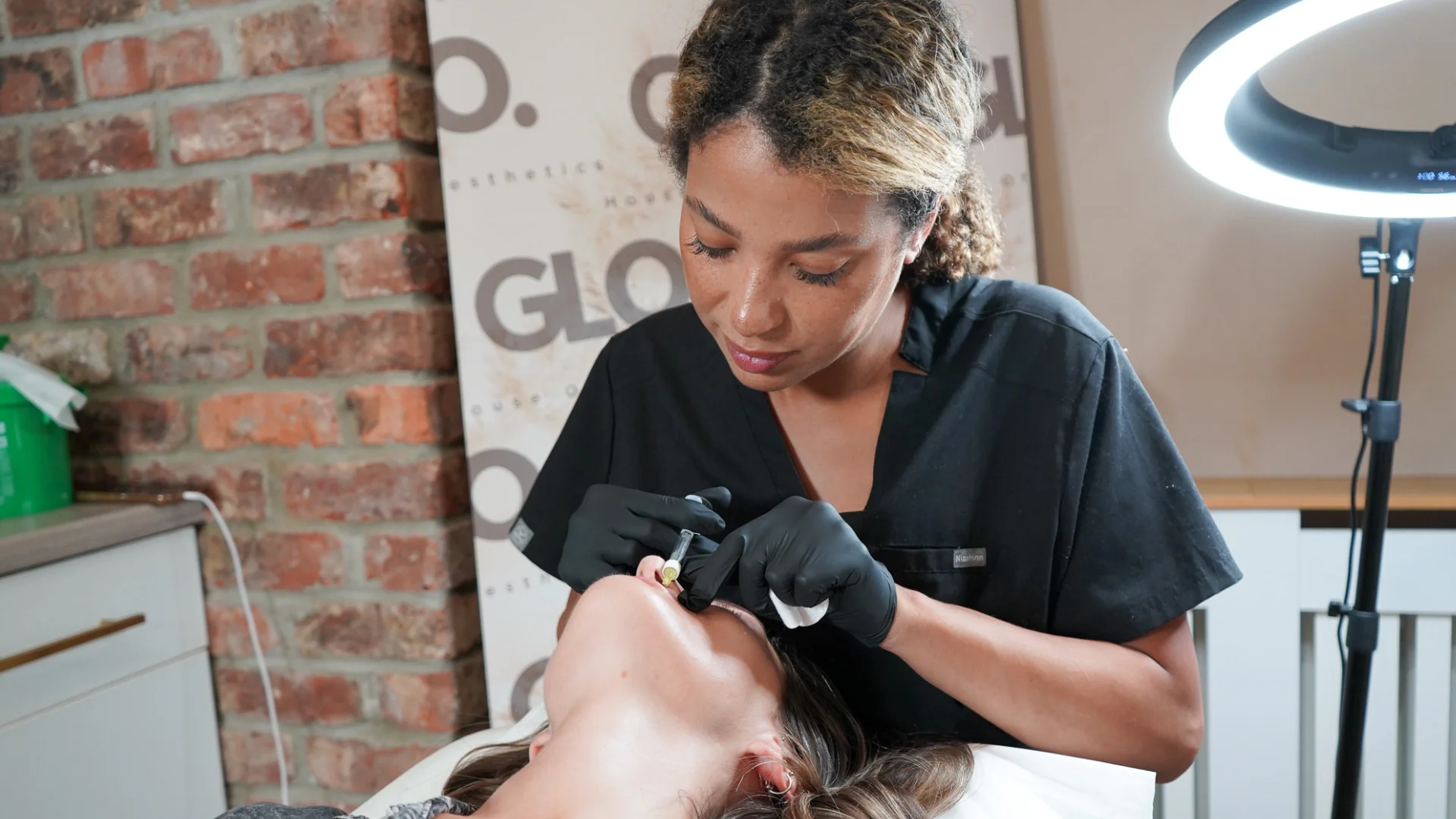
At GLO, consultations focus on understanding how your face moves, how strong different muscle groups are, and how those movements contribute to visible lines. Facial assessment examines expression, symmetry, and balance, enabling Botox to be administered with precision rather than standardised dosing.
This consultation stage also allows time to discuss your goals, concerns, and expectations in detail. From there, a personalised treatment plan can be created that considers how Botox fits into your wider aesthetic approach over time, rather than treating it as a one-off decision.
Taking time to reflect before treatment can help you feel confident in your decision. Consider the following before you committ:
Before considering Botox, it can help to think about what you would like to change and why. Some people are looking for very subtle softening that keeps their expressions natural, while others are more focused on preventing certain lines from deepening over time. Being clear on whether your goal is gentle refinement, preventative support, or a noticeable change helps guide more appropriate and personalised recommendations during consultation.
Botox results are temporary, which means treatment is usually maintained with top-ups every few months. It is worth considering how this fits into your lifestyle, budget, and expectations. Feeling comfortable with the idea of ongoing maintenance helps ensure Botox remains a positive and sustainable choice rather than something that feels pressured or inconvenient over time.
Once you have reflected on your goals, expectations, and comfort with maintenance, the next step is bringing that understanding together with professional guidance. Botox decisions are best made when personal reflection is combined with expert assessment, rather than relying on assumptions or external influence.
Education and professional guidance are key to positive outcomes. Understanding how Botox works and whether it suits your concerns leads to more natural, balanced results.
Botox is a personal treatment choice that works best when guided by facial movement, realistic expectations, and expert assessment. It is not about following trends or meeting age-based milestones, but about finding what supports your confidence and goals.
If you are considering Botox, a professional consultation is the safest and most effective way to determine whether it is right for you. You can also explore the full range of aesthetic options on our treatments page.